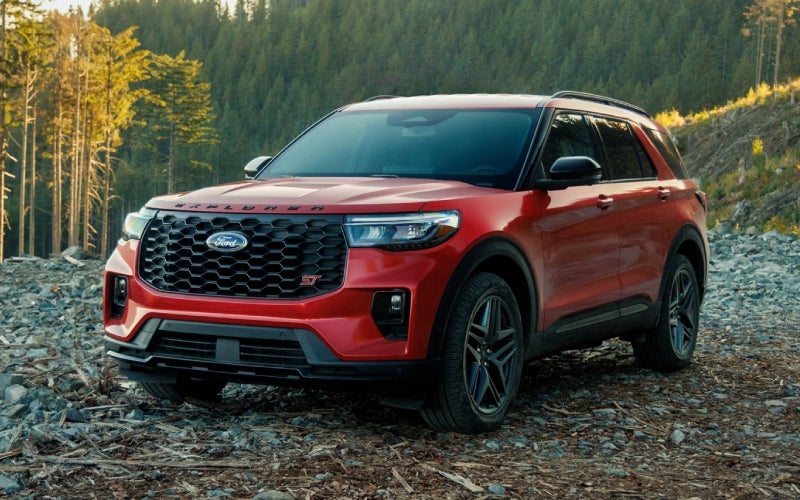

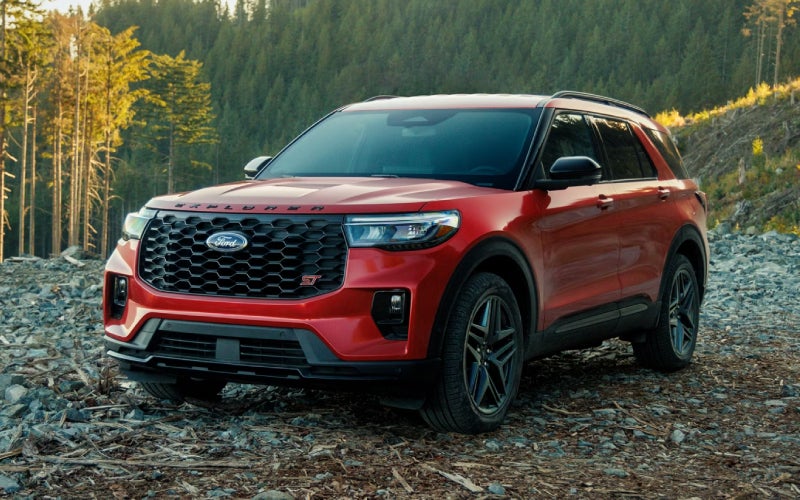
Blog / Ford Explorer

Which three-row SUV has the more advanced hands-free driving tech for York, SC families — 2026 Ford Explorer or 2026 Toyota Highlander?

Which three-row SUV has the more advanced hands-free driving tech for York, SC families — 2026 Ford Explorer or 2026 Toyota Highlander?

Rock Hill Ford - Which three-row SUV has the more advanced hands-free driving tech for York, SC families — 2026 Ford Explorer or 2026 Toyota Highlander?

When local families ask about hands-free driving features, they’re often comparing two favorites: the 2026 Ford Explorer and the 2026 Toyota Highlander. Both SUVs offer robust driver-assist suites designed to reduce stress and support confident decision-making, but they go about it differently. If your daily loop swings from neighborhood streets to I-77 and back again, understanding where each system shines — and where one clearly outpaces the other — can simplify your decision.

Here’s the simple breakdown: Explorer offers available BlueCruise, a hands-free highway driving assistance feature for use on compatible divided highways. Highlander, by contrast, includes Toyota Safety Sense 2.5+ with helpful features like Lane Tracing Assist, but it does not provide hands-free operation. That singular difference resonates on real highways around York, SC, where long commutes, after-school shuttles, and weekend tournament trips put a premium on reducing driver fatigue without compromising control or awareness.

What does “hands-free” really mean — and where does it work here?

Hands-free means the system can assist with acceleration, braking, and steering on pre-mapped, compatible highways while the driver remains attentive with eyes on the road. BlueCruise is engineered for divided highways where traffic flow and lane markings support safe, predictable operation. Around York, that can mean stretches of I-77 and I-485, as well as other mapped corridors you may use to reach airports, ball fields, and weekend destinations. The Chevy vs. Ford debate often lives in the towing arena; here, when it’s 2026 Ford Explorer vs 2026 Toyota Highlander on the highway, Explorer’s capability is less about raw muscle and more about giving you a break when it matters most.

Highlander’s Toyota Safety Sense 2.5+ does a great job with active support: it can help keep centered in-lane, follow a vehicle at a set distance, and alert you to hazards. Drivers who spend most of their time on surface streets may find that suite entirely sufficient. But if your schedule includes extended highway time — work commutes, club sports, or family road trips — BlueCruise’s true hands-free assistance is purpose-built for those exact scenarios.

How does BlueCruise feel compared to “hands-on” lane support?

BlueCruise complements your natural flow. Once you’re on a compatible highway and conditions are met, the system manages the steady-state driving tasks with remarkable composure. It won’t replace your attention — your eyes remain on the road — but it reduces the subtle workload that adds up over 30, 60, or 90 minutes behind the wheel. In the Highlander, Lane Tracing Assist feels smooth and reassuring but remains a “hands-on” technology; your hands stay on the wheel, and steering support is more of a helper than a driver-steadying partner.

That difference is easy to sense on the long arc from the state line to South Charlotte or up to the lake area on a Friday evening. BlueCruise maintains lane position and distance with a confidence that makes conversations easier and fatigue grow slower. It’s the kind of feature you don’t think you need until the day you realize you arrived fresher and more focused.

Beyond the drive: how Explorer and Highlander support families

Safety tech is only part of the conversation. Explorer layers in the B&O® Sound System by Bang & Olufsen® (available) for crisp calls and music, a 360-Degree Camera to simplify parking near busy ball fields, and available heated, ventilated, and massaging front seats for real comfort on long days. Highlander answers with available 12.3-inch displays, a Panoramic View Monitor, and a thoughtful cabin layout that can seat up to eight. Both tow up to 5,000 lbs, which is more than enough for many family trailers and small boats.

Where power and composure matter, Explorer’s available 3.0L EcoBoost® V6 and Max. Avail. Horsepower of 400 hp make highway merges and hilly routes feel effortless. Highlander’s turbocharged 2.4L gas engine is smooth and strong for daily needs, and the available Hybrid option appeals to drivers who want an electrified alternative. If your routine mixes urban errands with weekly highway commitments, you’ll likely feel the Explorer’s extra power in the moment that counts — a clean pass before the next exit or a steady climb with a full load.

Test-driving the difference around York, SC

To truly compare, focus on your everyday realities. Plan a route that includes a compatible highway segment for BlueCruise and a few surface streets for parking, roundabouts, and traffic lights. Bring the family, fold seats, and simulate a typical week — groceries, sports equipment, and a couple of backpacks. In Explorer, engage BlueCruise when conditions allow; in Highlander, try Lane Tracing Assist and Adaptive Cruise Control in comparable traffic. Note how each SUV handles interruptions — lane shifts near construction, tighter merges, and the stop-and-go patterns that define late afternoons near retail corridors.

Also think about your towing needs. If you occasionally pull a small camper or a pair of personal watercraft, both SUVs can handle it. But the RWD-based platform and available hardware upgrades on Explorer can give it a planted, composed feel with a trailer attached — especially helpful when you’re leaving a lakeside launch on a sloped, damp surface.

Quick highlights you can feel in a test drive

  • Hands-free capability: Explorer’s BlueCruise provides true hands-free assistance on compatible highways; Highlander does not offer hands-free operation.
  • Highway confidence: Explorer’s available 3.0L EcoBoost® and 400 hp create effortless passing power; Highlander’s gas engine is capable but less forceful.
  • Parking and maneuvering: Both offer bird’s-eye camera views that help in tight athletic complex lots and busy shopping areas.
  • Comfort for long days: Explorer’s available massaging front seats and premium audio can reduce fatigue; Highlander counters with expansive displays and an available panoramic roof.

Frequently Asked Questions:

Is BlueCruise available on every Explorer trim?

BlueCruise is available on select Explorer trims and helps with acceleration, braking, and steering on compatible divided highways while you remain attentive with eyes on the road.

Does Highlander offer a hands-free driving feature like BlueCruise?

No. Highlander includes Toyota Safety Sense 2.5+ with lane centering and adaptive cruise functions, but it does not support hands-free highway driving.

How do both SUVs compare for towing family gear?

Both the 2026 Explorer and 2026 Highlander offer up to 5,000 lbs of towing capacity, suitable for small campers, utility trailers, and watercraft.

Which SUV is better for long I-77 commutes?

If you spend considerable time on compatible highways, Explorer’s BlueCruise can reduce fatigue by taking over steady-state tasks, making it a strong pick for extended commutes.

Choosing between these two comes down to your daily mix of roads and priorities. If true hands-free highway assistance is high on your list, Explorer stands alone. If you value an electrified option, Highlander’s Hybrid may appeal. For a test drive that matches your real routes, Rock Hill Ford is serving Indian Trail, York, and Clover with side-by-side drives designed around how you actually live and travel. Schedule time to sample BlueCruise on a compatible local route, compare parking tech in busy lots, and bring your family “crew” to ensure the third-row and cargo solutions work the way you need. That’s the surest way to land on the right SUV for many seasons ahead.
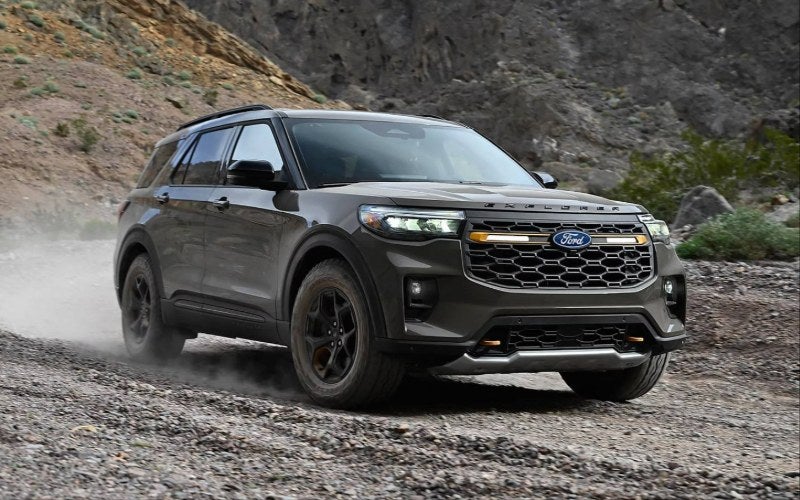
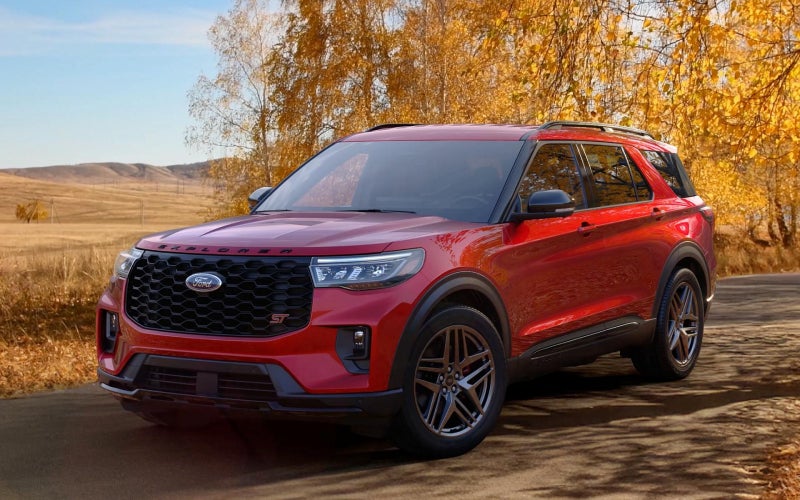
Request more 2026 Ford Explorer information

Posted in:

Related Posts

2027fordexplorer-exterior-02

How Ford BlueCruise Helps Fort Mill, SC Drivers Get More from the 2027 Ford Explorer

Rock Hill Ford - How Ford BlueCruise Helps Fort Mill, SC Drivers Get More from the 2027 Ford Explorer For many SUV shoppers, comfort is no longer just about seat cushioning or cabin space. It is also about how relaxed, alert, and supported you feel behind the wheel during a busy week of commuting, errands, family transportation, and highway travel. That is where available Ford BlueCruise in the 2027 Ford Explorer becomes a major point of interest. This available hands-free highway driving assistance feature is designed to help control steering, braking, and acceleration while keeping the vehicle centered in its lane on compatible highways, as long as the driver keeps eyes on the road. For Fort Mill, SC drivers who regularly use major routes around the Charlotte metro area, that kind of support can make routine highway miles feel more refined. The 2027 Explorer® SUV already has the foundation families and professionals want: three-row seating, flexible cargo room, confident EcoBoost® engine choices, available Intelligent 4WD, and a lineup that stretches from practical Active to performance-focused ST. BlueCruise adds another layer by supporting the kind of driving many local owners do most often. Whether your day includes commuting toward Uptown Charlotte, heading to a meeting across York County, or driving with kids to activities across the region, hands-free highway assistance can reduce some of the repetitive input that comes with long stretches of compatible roadway. It does not replace an attentive driver, but it can help make highway travel feel smoother and more composed. What BlueCruise Does in the Explorer® SUV BlueCruise is built for compatible highway use, not every road or every situation. When the system is active in an approved hands-free driving zone, it can assist with lane centering, steering, braking, and acceleration. The driver must remain attentive and keep eyes on the road, which is why Ford describes the experience as hands-free rather than driver-free. That distinction matters. The technology is intended to support confidence, not remove responsibility, and that practical approach fits the Explorer® SUV’s overall personality: advanced, capable, and family-ready without feeling overly complicated. For shoppers comparing trims, it is also important to understand where BlueCruise fits in the lineup. The 2027 Explorer® Platinum™ is equipped with BlueCruise hands-free highway driving assistance with an included plan period, and Explorer® ST is also equipped with BlueCruise. Availability and equipment can vary by configuration, so reviewing the specific vehicle’s feature content is always smart. If BlueCruise is a must-have, ask our team to help identify models that include or offer it, then pair that technology choice with your preferred seating, powertrain, design, and comfort features. Why Fort Mill, SC Commutes Make This Feature Worth Considering Fort Mill sits in a location where many drivers blend suburban routines with regional highway travel. A typical week may involve crossing into Charlotte for work, driving toward Rock Hill for shopping or service, or moving between school, sports, and family commitments. In that kind of environment, the value of BlueCruise is not based on one dramatic road trip. It is in the repeated moments where a vehicle that helps manage compatible highway driving can make daily movement feel more balanced. The Explorer® also offers the space and capability to make BlueCruise feel even more useful. With available seating for up to seven people, a third row, and generous cargo capacity, the SUV can carry passengers and gear while still offering advanced driver-assist support for the person at the wheel. Parents may appreciate that the cabin feels organized and technology-forward. Professionals may like the way the Ford Digital Experience keeps familiar apps and functions accessible. Drivers who enjoy premium touches can consider Platinum™ with available features such as heated, ventilated, and massaging front-row seats with leather inserts, while enthusiasts may prefer ST with its 3.0L EcoBoost® V6 engine, sport-tuned suspension, and performance brakes. How BlueCruise Complements Ford Co-Pilot360® Technology BlueCruise is part of a broader technology story. The Explorer® lineup includes Ford Co-Pilot360® driver-assist features, which are focused on helping you feel more confident behind the wheel. Depending on model and equipment, shoppers can find helpful features such as Adaptive Cruise Control, an available 360-degree camera, and other confidence-building systems that support awareness during everyday driving. BlueCruise stands out because it extends that support into hands-free highway assistance on compatible roads, but it works best when understood as one piece of a larger driver-assist approach. That layered technology matters for online shoppers asking more than, “Does it have hands-free driving?” A better question is, “How does the whole SUV help me drive, park, travel, and stay connected?” The Explorer® answers with a modern digital cabin, available premium audio from B&O® Sound System by Bang & Olufsen®, available panoramic Vista Roof® with power shade, and comfort materials ranging from cloth to Miko® Suede, ActiveX®, and leather. The result is a three-row SUV that supports the driver while also treating passengers to a cabin that feels thoughtfully designed. Features That Pair Well with BlueCruise Ford Digital Experience: Integrates familiar apps and connected functionality in a way that supports everyday driving. Available 360-degree camera: Helps with visibility when parking, backing up, or maneuvering in tight areas. Available B&O® Sound System by Bang & Olufsen®: Adds immersive audio that makes daily drives and longer trips more enjoyable. Available panoramic Vista Roof®: Gives the cabin an open, premium feel for passengers in multiple rows. Available multicontour massaging front-row seats: Bring luxury-level comfort to the driver and front passenger. Choosing the Right Explorer® Trim for Your Driving Style If you are focused on everyday practicality, Explorer® Active offers the core strengths of the lineup, including the 2.3L EcoBoost® engine, heated front-row seats, and Ford Co-Pilot360® driver-assist features. ST-Line adds a sportier visual personality along with features such as a 360-degree camera and B&O® Sound System by Bang & Olufsen® with 10 speakers, including subwoofer. Tremor® is the choice for drivers who want more rugged capability, with features like a Torsen® limited-slip rear axle, off-road-tuned suspension, increased ride height, and underbody protection. Platinum™ leans into premium comfort, while ST delivers the most enthusiast-focused feel with the 3.0L EcoBoost® V6 engine, sport-tuned suspension, performance brakes, and BlueCruise equipment. Rock Hill Ford can help shoppers compare these trims based on real needs rather than feature overload. If BlueCruise is your priority, our team can walk through which configurations include it, how it works, and how it fits alongside your preferences for power, seating, cargo space, and style. We proudly assist drivers serving Monroe, Fort Mill, and Indian Trail who want a smarter way to shop for a three-row Ford SUV without losing sight of practical details. Frequently Asked Questions: Is BlueCruise standard on every Explorer® model? No. BlueCruise availability depends on trim and configuration. It is equipped on select models such as Platinum™ and ST, so it is important to review the specific vehicle details before choosing. Can BlueCruise drive the SUV without my attention? No. BlueCruise is a hands-free highway driving assistance feature, not an autonomous driving system. The driver must keep eyes on the road and remain ready to take control. Does BlueCruise work on all roads? No. It is designed for use on compatible highways. System operation depends on road eligibility, conditions, and driver attentiveness. Is the Explorer® still practical without BlueCruise? Yes. Even without BlueCruise, the Explorer® offers three-row versatility, strong EcoBoost® engine options, available Intelligent 4WD, generous cargo capacity, and helpful Ford Co-Pilot360® technology. For Fort Mill, SC drivers, the appeal of available BlueCruise is easy to understand: it supports the kind of highway driving that fills real schedules. Combined with the Explorer® SUV’s flexible cabin, confident performance choices, and premium available features, it creates a three-row SUV that feels ready for families, commuters, and anyone who wants modern support without sacrificing capability. If you are comparing trims online, make BlueCruise part of the conversation, but also look at the full ownership picture. The best Explorer® is the one that fits your roads, your passengers, your cargo, and your comfort expectations. Request more 2027 Ford Explorer information

2026fordexplorer-exterior-03

What to Know About the 2027 Ford Explorer

Rock Hill Ford - What to Know About the 2027 Ford Explorer The 2027 Ford Explorer continues to do what this nameplate has done well for decades: give families, commuters, road-trip planners, and SUV shoppers a confident three-row option with strong performance, useful technology, and everyday versatility. As one of Ford's most recognizable SUVs, the Explorer remains a smart choice for drivers who want more space than a two-row crossover without moving into a full-size SUV. It offers seating for up to six with standard second-row captain's chairs, available all-wheel drive, strong turbocharged engine choices, and a practical cabin designed around real-life use. At Rock Hill Ford, we know many shoppers compare the Explorer against popular three-row SUVs like the Honda Pilot, Kia Telluride, Hyundai Palisade, Mazda CX-90, and Nissan Pathfinder. What helps the 2027 Explorer stand apart is its rear-wheel-drive-based architecture, balanced road manners, available performance-focused ST model, and generous technology package. For drivers serving Monroe, Fort Mill, and Indian Trail, the Explorer is especially appealing because it can handle school schedules, work commutes, family travel, towing needs, and weekend plans with the same steady confidence. 2027 Ford Explorer Overview The 2027 Explorer is expected to carry forward the modern updates that recently helped this SUV feel more refined and easier to use. The cabin has a cleaner layout than earlier versions, with large digital displays, intuitive controls, helpful storage spaces, and a comfortable first and second row. The design prioritizes function, which is exactly what many three-row SUV buyers want. The result is a vehicle that feels approachable, organized, and ready for a busy household. For 2027, one of the most notable updates is the available Sinister appearance package for the Explorer ST. This package gives the performance-oriented ST a darker, more aggressive look with black exterior details, black wheels, amber-colored running lights, and exclusive badging. It is a smart addition for shoppers who want the capability of a family SUV but prefer a bolder design. Beyond that appearance package, the 2027 Explorer is expected to remain familiar, which is good news for shoppers who already appreciate the latest Explorer formula. Performance and Powertrain Choices The 2027 Ford Explorer offers two turbocharged engine options. Most trims are expected to use a turbocharged 2.3-liter four-cylinder engine that produces 300 horsepower and 310 pound-feet of torque. That engine is paired with a 10-speed automatic transmission and provides strong acceleration for daily driving, merging, passing, and hauling passengers. It is the engine that will make the most sense for many shoppers because it balances power, efficiency, and value. For drivers who want more excitement, the Explorer ST brings a turbocharged 3.0-liter V-6 with up to 400 horsepower and 415 pound-feet of torque. This engine gives the Explorer a more athletic character than many three-row SUVs. The ST is quick, responsive, and designed for shoppers who want more than basic family transportation. Rear-wheel drive is standard on many models, while all-wheel drive is available for added traction and confidence. The Tremor and Platinum trims may also offer access to the V-6, depending on configuration. Standard turbo power: The 2.3-liter turbocharged engine offers strong everyday performance with a balanced efficiency profile. Available V-6 strength: The 3.0-liter twin-turbo V-6 gives the Explorer ST a genuinely sporty feel. 10-speed automatic transmission: Smooth gear changes help support confident acceleration and relaxed highway driving. Rear-wheel-drive-based platform: This layout contributes to a more engaging feel than many front-wheel-drive-based competitors. Available all-wheel drive: Added traction can be helpful for drivers who want extra confidence in changing road conditions. Towing, Utility, and Everyday Practicality One major reason shoppers choose the Explorer is its ability to do more than carry passengers. When properly equipped, the 2027 Explorer can tow up to 5,000 pounds. That gives it the strength to handle many small campers, utility trailers, personal watercraft, or compact recreational equipment. Ford also includes a Class III towing package on every model, which adds practical equipment such as a hitch, trailer wiring harness, and trailer sway control. Inside, the Explorer is built around flexibility. The first row offers generous space, and the second row is comfortable for adults, teens, or children in car seats. Standard second-row captain's chairs make it easier to access the third row, while an available second-row bench can increase passenger capacity. The third row is best suited for children or shorter passengers, which is common in this segment. Cargo space is useful behind the third row, and folding the rear seats opens up a large loading area for sports gear, luggage, home project supplies, or everyday errands. Interior Comfort and Technology The 2027 Explorer cabin focuses on comfort, convenience, and ease of use. Soft-touch materials in key areas, thoughtful storage solutions, and supportive seating help make the interior welcoming without feeling overly complicated. A helpful storage shelf near the dashboard gives drivers a convenient spot for small items like a phone, keys, or wallet. The cabin may not chase ultra-luxury competitors in every detail, but it delivers a practical and modern environment that works well for everyday life. Technology is one of the Explorer's strongest selling points. A large 13.2-inch touchscreen is standard, giving the dashboard a clean and modern feel. The system supports wireless Apple CarPlay and Android Auto through compatible devices, and Ford's latest digital interface offers access to useful connected features. When parked, the system can also support select entertainment options such as video streaming, browsing, and games through compatible services. Multiple USB ports, including ports for rear passengers, help keep devices charged across all rows. Large center touchscreen: The standard display gives drivers quick access to maps, audio, vehicle settings, and connected apps. Wireless smartphone compatibility: Apple CarPlay and Android Auto help simplify navigation, calls, messaging, and music. Available premium audio: Select models can add upgraded Bang & Olufsen sound systems for a richer listening experience. Multiple USB ports: Front, second-row, and third-row passengers can keep compatible devices powered. Digital convenience: Available connected features help the Explorer feel current and easy to personalize. Safety and Driver Assistance Ford equips the Explorer with a strong list of standard driver-assistance features. Shoppers can expect technology such as automated emergency braking, lane-keeping assistance, adaptive cruise control, blind-spot monitoring, automatic high beams, and front and rear automatic emergency braking. These features are designed to support driver awareness and help reduce stress during daily driving. Available upgrades can add even more confidence. Depending on trim and package, the Explorer may offer front and rear parking sensors, a 360-degree camera system, self-parking assistance, and an advanced adaptive cruise control system with hands-free highway driving capability on approved mapped roads. For families and frequent commuters, these technologies can make a noticeable difference in day-to-day comfort. Trim Highlights and Which Explorer May Fit You Best The 2027 Explorer lineup is expected to include trims such as Active, ST-Line, Tremor, Platinum, and ST. Each version has a distinct personality, which makes it easier to match the SUV to your needs. The Active trim is a practical choice for shoppers who want the core Explorer strengths without unnecessary extras. ST-Line adds sportier styling while keeping the efficient turbo-four engine. Tremor is aimed at drivers who want a more adventurous look and added capability. Platinum focuses on premium features, while ST brings the highest performance level. Active: A well-rounded starting point with strong standard technology, driver assistance, and everyday comfort. ST-Line: A smart choice for shoppers who like sporty design but do not need the full performance hardware of the ST. Tremor: A more rugged option for drivers who want extra capability and a bolder presence. Platinum: A feature-rich trim for shoppers who prefer more comfort and upscale appointments. ST: The performance choice, with a powerful V-6, athletic tuning, and available Sinister appearance package. Fuel Economy and Driving Range Fuel economy depends on engine, drivetrain, and trim. The turbocharged four-cylinder engine offers the best efficiency in the lineup, with rear-wheel-drive models expected to provide the strongest highway mileage. All-wheel drive can reduce efficiency slightly, while the V-6 trades some fuel economy for stronger acceleration. Even so, the V-6 models use a larger fuel tank, helping preserve useful driving range. For many shoppers, the turbo-four will be the best fit because it has enough power for daily driving while keeping efficiency more favorable. Drivers who prioritize acceleration and sporty feel may find the ST worth the tradeoff. Either way, the Explorer remains competitive for a midsize three-row SUV, especially considering its towing capability and strong power output. Frequently Asked Questions: Is the 2027 Ford Explorer a good family SUV? Yes. The 2027 Explorer is a strong family SUV thanks to its three-row seating, comfortable first and second rows, helpful cargo flexibility, standard driver-assistance technology, and user-friendly infotainment system. How many people can the 2027 Ford Explorer seat? The Explorer typically seats six with standard second-row captain's chairs. An available second-row bench can increase seating capacity on select configurations. What is new for the 2027 Ford Explorer? The biggest expected update is the available Sinister appearance package for the Explorer ST, which adds blacked-out exterior details, black wheels, amber running lights, and unique badging. Can the 2027 Ford Explorer tow? Yes. When properly equipped, the Explorer can tow up to 5,000 pounds. A Class III towing package is included on every model, making it a practical choice for many light towing needs. Which 2027 Ford Explorer trim is best? The best trim depends on your priorities. Active is a strong value-focused choice, ST-Line adds sporty style, Tremor brings more rugged appeal, Platinum adds premium comfort, and ST delivers the most performance. Why the 2027 Explorer Deserves a Close Look The 2027 Ford Explorer remains a compelling option in the midsize three-row SUV market because it blends strength, technology, comfort, and personality. It has the everyday usability families need, the towing capacity many active drivers want, and the available performance to make routine drives more enjoyable. The Explorer is not just a practical choice; it is also one of the more engaging SUVs in its class. If you are shopping for a three-row SUV that can support a full schedule without feeling dull, the 2027 Ford Explorer belongs on your list. From the balanced Active trim to the bold ST with the available Sinister package, the lineup gives shoppers multiple ways to find the right fit. With its modern tech, confident powertrains, standard safety features, and long-standing reputation, the Explorer continues to prove why it remains one of Ford's most important SUVs. *Image may not be actual model Request more 2027 Ford Explorer information

Which three-row SUV tows with more confidence around Matthews, NC — 2026 Ford Explorer or 2026 Chevrolet Traverse?

Which three-row SUV tows with more confidence around Matthews, NC — 2026 Ford Explorer or 2026 Chevrolet Traverse?

Rock Hill Ford - Which three-row SUV tows with more confidence around Matthews, NC — 2026 Ford Explorer or 2026 Chevrolet Traverse? Towing confidence starts with the right fundamentals When Matthews, NC families ask which three-row SUV tows with more confidence — Explorer® or Traverse — we look past spec sheets and focus on how the vehicle behaves when you add people, cargo, and a trailer. On paper, both list up to 5,000 pounds of towing capability. The real difference shows up in how each SUV carries that load, keeps the cabin calm, and supports the driver with tech that shrinks the stress of hitching and highway miles. Explorer builds from a rear-wheel-drive architecture with available Intelligent 4WD. That RWD foundation naturally improves weight transfer and stability under acceleration, during lane changes, and while descending long grades on I-485. Add the available 3.0L EcoBoost® V6 — up to 400 hp — and you get reserve power that shortens merges and helps maintain momentum over rolling terrain without busy downshifts. Traverse counters with a turbocharged 2.5L that delivers strong output and smooth response. It’s a capable partner, especially for family gear runs. But if you plan to tow with consistency or want extra passing authority with a full cabin, Explorer’s power and balance advantage is obvious the first time you crest a hill with a trailer in tow. Control and visibility when it matters Confidence is as much about what you see and feel as it is about raw numbers. Explorer’s available 360-Degree Camera simplifies backing to a hitch and threading through crowded trailhead lots. Pair that visibility with the composed steering feel that comes from its RWD chassis, and your shoulders naturally relax on two-lane stretches outside of town. Traverse’s available HD Surround Vision offers a helpful multi-angle view as well, making low-speed maneuvers easier in tight spaces. For families planning light off-pavement adventures or boat-ramp launches, Explorer Tremor® adds Torsen® limited-slip hardware, an off-road tuned suspension with increased ride height, and underbody protection — hardware that grips uneven surfaces where a conventional open differential might spin a wheel. Traverse Z71 brings a Twin-Clutch AWD system, off-road suspension, and a skid plate — also a solid package for dirt access roads and weekend sites. Both can get you there; Explorer simply feels more planted doing it. Driver-assist tech that reduces towing fatigue Hands-free highway assistance is a key part of the modern towing equation. Explorer’s available BlueCruise supports hands-free driving on mapped highways, helping accelerate, brake, and steer while you remain engaged and watch the road. On long hauls toward the coast or mountain cabins, the reduction in micro-corrections helps you arrive with more energy. Traverse offers available Super Cruise® — similarly designed for hands-free operation on compatible roads — and it includes an extended plan on select trims. Each system can ease the grind of interstate towing; paired with Explorer’s power headroom and RWD steadiness, BlueCruise becomes one more layer in a confidence-focused package. Tech in the cabin can matter just as much as the hardware underneath. Explorer’s available B&O® Sound System by Bang & Olufsen® and premium seating — including available massaging front seats on Platinum™ — take the edge off longer missions. You’ll still arrive alert and composed, even when traffic stacks up through interchanges. Traverse brings an exceptionally large 17.7-inch touch-screen and a usable, organized interface that supports families juggling multiple devices. If your priority is screen real estate, Chevy has an edge; if you want a quieter, more restorative seat and sound pairing, Ford’s approach shines. How to choose between Explorer and Traverse for towing A thoughtful choice weighs where you drive, what you tow, and how often. Here’s a quick lens families use in our showroom: Primary use: If you tow more than a few weekends each year or regularly fill all three rows with passengers and gear, the Explorer’s available 3.0L EcoBoost® V6 and RWD architecture offer more composure and less strain. Road mix: For a commute that blends I-485 with two-lane trips to parks and regional lakes, both SUVs work; Explorer’s balance and available Torsen® hardware add margin on uneven surfaces. Cabin priorities: If premium seating and a tranquil cabin matter on longer drives, Explorer’s available massaging front seats and B&O® audio give it the nod; if your crew lives on big-screen interfaces, Traverse’s 17.7-inch display is a standout. Either way, driver-assist visibility matters. Both SUVs provide advanced surround-view cameras to streamline hitching and parking, and both offer hands-free highway assistance on compatible roads. The edge goes to Explorer when you add in how its steering and braking feel under load, the way the chassis settles over expansion joints, and the extra confidence from its available V6 when you need a quick pass with a trailer in tow. Frequently Asked Questions: Do I need a special package to tow with either SUV? Explorer offers a Class III Trailer Tow Package, and Traverse includes trailering equipment for its standard 5,000-lb rating. Your advisor can help you confirm the exact hardware on the trim you choose. How do BlueCruise and Super Cruise® help during towing? Both systems enable hands-free driving on compatible mapped highways. They reduce steering fatigue and can help you hold a steady pace and lane position while you remain attentive and watch traffic. Which feels more stable at highway speeds with a trailer? Explorer’s rear-wheel-drive foundation and available 3.0L EcoBoost® V6 give it an edge in composure and reserve power, which you’ll notice during merges, passes, and long grades. Can I take either SUV on unpaved access roads to campsites? Yes. Explorer Tremor® and Traverse Z71 add off-road suspension tuning and protective hardware. Explorer Tremor’s Torsen® limited-slip rear axle is particularly helpful on uneven surfaces where traction varies side to side. For families serving York, Clover, and Matthews with mixed weekly driving and a trailer in the plan, Explorer tends to deliver the more relaxed, confident experience once you add passengers and gear. Visit Rock Hill Ford for a quick configuration walk-through and a route that mirrors your daily drive — you’ll feel the difference in a single test loop. Request more 2026 Ford Explorer information