Rock Hill Ford – Which truck handles towing and on-board power better around Indian Trail, NC — 2026 Ford F-150® or 2026 Ram 1500?
What most shoppers want to know first
When shoppers compare the 2026 Ford F-150® and the 2026 Ram 1500, one question usually leads: which truck does the heavy lifting and powers your gear with fewer compromises? That means looking at max available towing, payload, trailer-assist tech, and bed-based power. Here’s a detailed, practical breakdown to help you decide based on how you actually tow, haul, and work around Indian Trail, NC and the nearby Carolinas.
Towing and payload fundamentals
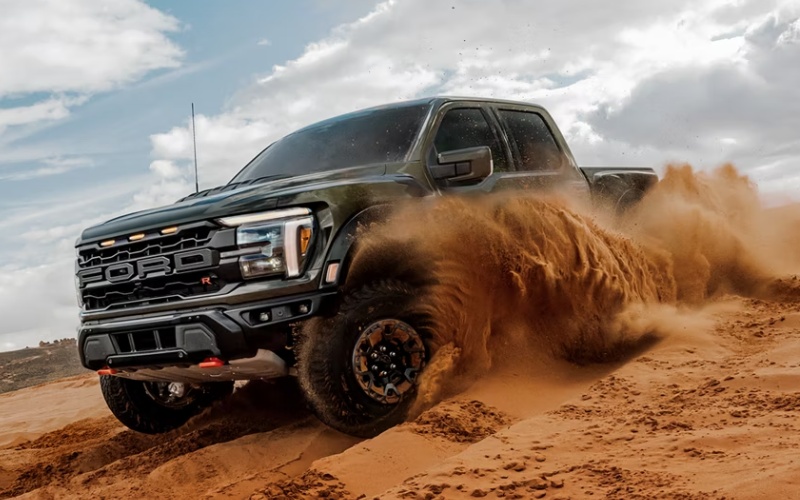
Ford’s 2026 F-150® posts best-in-class max available towing of 13,500 lbs with the 3.5L EcoBoost® V6 and up to a 2,440-lb max available payload depending on configuration. Ram 1500 hits a strong 11,610-lb max available towing and a 2,360-lb max available payload. Both are capable. The key difference is reserve. That extra margin on the Ford side lets you upsize a camper, add gear and passengers, or tackle a heavier job trailer without reconfiguring your life. If you regularly find yourself near the upper end of your tow chart, that headroom matters in heat, at altitude, or when traffic forces frequent braking and re-acceleration.
Trailer confidence: the tech that really helps
Backing a trailer where you want it is half the battle—especially in busy parking lots. Ford’s Pro Trailer Backup Assist lets you steer the trailer’s path with a simple knob while the system manages steering. Pair it with the available 360-Degree Camera, and hitching or reversing into a tight side yard becomes far less stressful. Ram offers Trailer Reverse Steering Control and surround-view imaging too, so both trucks support confident maneuvering. That said, the breadth of Ford’s trailering ecosystem—integrated trailer brake controller, hitch assist views, and trailer profiles—feels especially cohesive when you’re switching between a utility trailer during the week and a boat on the weekend.
On-board power: why it changes what your truck can do
For many buyers, bed power is the game-changer. The 2026 F-150® offers available Pro Power Onboard™, an integrated generator-style system that can run tools, charge batteries, and support campsite essentials or game-day setups without a separate generator. Ram offers in-cabin and available bed outlets in certain configurations, which are handy for light-duty use, but the Ford system is purpose-built for continuous, practical output. If you’ve ever juggled generator maintenance or fuel at a worksite or campsite, you know the value of flipping a switch and getting power you can count on.
Hybrid muscle vs. gas engines
Ford’s available 3.5L PowerBoost® Full Hybrid V6 produces 420 hp and 570 lb-ft of torque while enabling Pro Power Onboard™ and delivering confident towing. It’s a truck-first hybrid that emphasizes torque and utility. Ram’s gas lineup is excellent—highlighted by available 3.0L Hurricane power and the return of the 5.7L HEMI® V8—but it does not offer a full hybrid option. If your week includes mixed workloads (commuting, towing, and powering tools), the F-150® hybrid’s dual personality is compelling.
How to choose based on your actual use
Before deciding, map your must-haves. Consider the heaviest trailer you’ll pull in the next five years, how often you’ll tow, whether you need bed power for tools or tailgates, and how frequently you’ll back into tight spots. Both trucks can be equipped for towing, but Ford’s higher tow ceiling, the integration of Pro Trailer Backup Assist, and generator-grade bed power create a specific advantage if your life mixes work and play.
- Regular heavy towing: Favor the 2026 F-150® with the 3.5L EcoBoost® V6 and max towing hardware for that 13,500-lb headroom.
- Mixed use with jobsite power: Choose the F-150® with the 3.5L PowerBoost® hybrid and available Pro Power Onboard™.
- Occasional towing with a focus on interior luxury: A well-equipped Ram 1500 remains an appealing choice.
Frequently Asked Questions:
Can the 2026 F-150® really tow more than the 2026 Ram 1500?
Yes. When properly configured, the F-150® reaches a best-in-class 13,500-lb max available tow rating, compared to a max available 11,610-lb rating for the Ram 1500.
Does the Ram 1500 offer a full hybrid like the F-150® PowerBoost®?
No. Ram 1500 offers strong gas engines, but not a full hybrid powertrain comparable to Ford’s PowerBoost® Full Hybrid V6.
Do both trucks offer hands-free driving?
Yes. F-150® offers available Ford BlueCruise hands-free highway driving. Ram offers its Hands-Free Active Driving Assist. Availability varies by trim and equipment.
Which truck is better for running power tools from the bed?
The F-150® stands out with available Pro Power Onboard™, a built-in system designed to power tools and gear from the bed without a separate generator.
Is either truck easier to back with a trailer?
Both help, but Ford’s Pro Trailer Backup Assist is especially intuitive, letting you steer the trailer’s path with a dial while the truck handles steering inputs.
Local insight for Indian Trail and beyond
Towing on US-74 or I-485 means frequent merges and variable speeds. That’s where the F-150®’s torque-rich EcoBoost® and hybrid options shine. If your weekends include pulling a boat to Mountain Island Lake or heading to events in uptown Charlotte, having more towing headroom and an easier time backing into tight launch areas is worth its weight in gold. Add bed power for lights, slow cookers, and battery chargers, and you’ve covered needs that spill past simple towing stats.
When you’re ready to compare configurations and see what fits your life best, our team at Rock Hill Ford is here to help—serving Indian Trail, York, and Clover with knowledgeable guidance and hands-on demos of trailering tech and Pro Power Onboard™. Bring your use cases, and we’ll walk through engines, axles, tow packages, and the specific features that match how you really drive, tow, and work.
Request more 2026 Ford F-150 information
Connect with us


