Rock Hill Ford – Which heavy-duty pickup fits real work around Matthews, NC better — 2026 Ford Super Duty F-250 or 2026 Ram 2500?
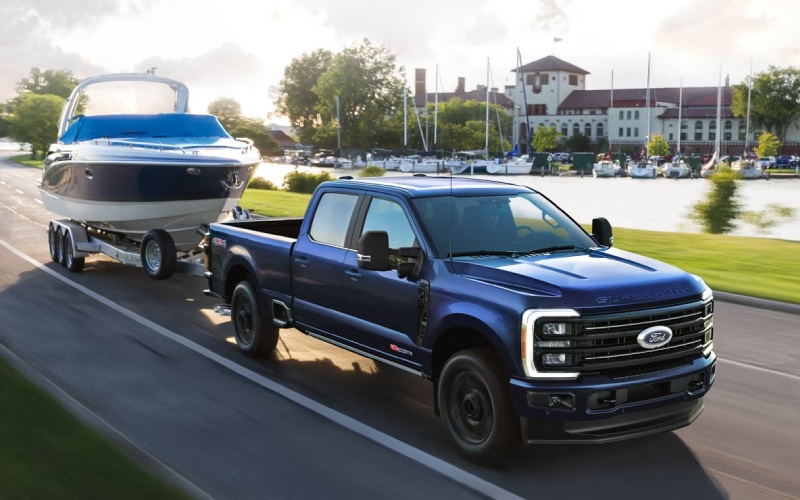
The question comes up often on job sites and in driveways: which heavy-duty truck feels more confident when your day involves towing, hauling, and tight maneuvering around Matthews, NC? Both the 2026 Ford Super Duty F-250 and the 2026 Ram 2500 are serious tools, but their strengths land a bit differently. If you’re comparing towing tech, camera coverage, and how easily you can get set up and rolling, Ford’s integrated approach can save time every single week.
Below, we break down what matters most for crews, contractors, and weekend towers who split time between suburban routes, backroads to lakes, and construction zones. We’ll keep the focus tight—real features, real benefits, and how they help you get more done with fewer hiccups.
Towing Hardware You Can Feel
The 2026 Ford Super Duty F-250 engine roster gives you room to choose exactly how you’ll work. Gas or diesel, standard or High-Output—Ford lines up power with a TorqShift 10-speed automatic that’s been tuned for heavy loads. Ram’s 2500 counters with a solid 6.4L HEMI gas and an available High-Output 6.7L Cummins Turbo Diesel, paired to an HD eight-speed automatic. Both are stout, but the 10-speed’s broader spread of ratios in the Ford helps when you’re guiding a trailer up grades or feathering power for a clean back-in at the ramp or jobsite.
The Big Difference: Towing Technology
Here’s where the F-250 tends to pull ahead for many owners. Ford ties together cameras, guidance, and weight insights, so each step—hitching, reversing, and on-road monitoring—feels simpler and more predictable. Ram offers excellent visibility features and a thoughtful Tow Tech Package, yet Ford stacks more assistive layers end to end.
- Hitching guidance: Ford’s Pro Trailer Hitch Assist™ helps align hitch and coupler hands-free; Ram offers on-screen aids and camera views to help you line up.
- Backing the trailer: Pro Trailer Backup Assist™ in the Ford lets you steer the trailer with a simple knob; Ram’s Trailer Reverse Steering Control also uses a knob to manage trailer direction.
- Know your weight: Onboard Scales with Smart Hitch in the Ford estimates payload and tongue weight in real time; Ram displays useful trailer data but doesn’t estimate cargo weight on the truck.
- Camera coverage: Both provide 360-degree views and extensive trailer camera options; Ram adds available 360° Trailer Surround View, while Ford’s camera suite pairs tightly with its guidance features.
- Power for tools: Ford’s available Pro Power Onboard™ 2.0 kW turns the bed into a generator; Ram offers available onboard power up to 2.4 kW via its inverter system.
Daily Usability Around Town
In and around Matthews, quick trips can be as important as highway pulls. That’s where the interior layout and controls matter. The F-250’s 12-inch SYNC 4 display is fast and uncluttered, the trailer menu system is straightforward, and camera toggles are intuitive. Ram answers with a Largest-in-Class available 14.5-inch touchscreen and sharp Uconnect® 5 NAV interface. You’ll appreciate both systems, but Ford’s focus on work-first menus reduces friction during frequent hitch-ups or site-to-site moves.
Ride and Handling With a Load
When the bed is full or the tongue weight is substantial, both trucks settle and track with confidence. Ram’s available Auto-Level Rear Air Suspension helps maintain ride height under load, which some drivers love for trailer leveling and ride control. Ford’s blend of chassis tuning, the 10-speed transmission, and integrated tow/haul calibration keeps the powertrain relaxed and responsive. If your routes include stop-and-go traffic, frequent stops at supply houses, and winding neighborhood streets, Ford’s calm, predictable behavior pays off day after day.
Safety and Awareness
Both trucks deliver modern driver-assist features—collision warning, lane guidance, and robust camera arrays. Ford’s available Head-Up Display and trailer-aware blind spot coverage extend your awareness without adding distraction. Ram’s Digital Rearview Mirror with side camera integration is excellent for keeping an eye on what’s behind and beside your trailer. The deciding factor tends to be how integrated you want your trailer features to be; Ford leans heavily into a cohesive “tow-first” experience.
Choosing What Fits Your Work
If your week blends site work, supply runs, and weekend towing, the Ford Super Duty F-250 makes a compelling case through its end-to-end tow tech, available onboard power, and transmission calibration that just feels right under load. Ram’s 2500 remains a strong contender with impressive torque, camera systems, and helpful suspension options. Ultimately, the better choice is the one that simplifies your most frequent tasks.
Frequently Asked Questions:
Does the Ford F-250 make hitching and backing a trailer easier than the Ram 2500?
Both trucks offer excellent trailer-assist tools. Ford’s Pro Trailer Hitch Assist™ and Pro Trailer Backup Assist™ combine with Onboard Scales with Smart Hitch for a highly integrated workflow. Ram’s Trailer Reverse Steering Control and camera systems are strong, too. Owners who hitch up multiple times per week often prefer Ford’s end-to-end approach.
Which truck offers better camera coverage for towing?
It’s effectively a draw on sheer camera availability—both offer 360-degree systems and multiple trailer views. Ram features an available 360° Trailer Surround View Camera, while Ford’s system pairs more deeply with guidance and checklists inside SYNC® 4.
How does onboard power differ between the two?
Ford’s available Pro Power Onboard™ provides up to 2.0 kW from in-bed outlets, turning the truck into a mobile generator. Ram offers an available inverter system with up to 2.4 kW of onboard power. Consider the tools you run most often and the outlet locations you prefer.
What about ride quality with a trailer?
Both are composed and confident. Ram’s available Auto-Level Rear Air Suspension is useful for maintaining ride height under load. Ford’s 10-speed and chassis tuning keep the truck settled and the engine in the sweet spot for smooth, predictable control.
When you’re ready to put features to the test in real-world scenarios, one drive can clarify the choice. At Rock Hill Ford, serving York, Clover, and Matthews, we’ll help you match configurations to the equipment you tow and the roads you travel most.
Request more 2026 Ford Super Duty F-250 information
Connect with us


