Blog / Ford Super Duty F-350

Can the 2027 Ford Super Duty F-350 Tow a Gooseneck Trailer Around York, SC?

2027fordsuperdutyf-350-exterior-01
Can the 2027 Ford Super Duty F-350 Tow a Gooseneck Trailer Around York, SC?

Rock Hill Ford - Can the 2027 Ford Super Duty F-350 Tow a Gooseneck Trailer Around York, SC?

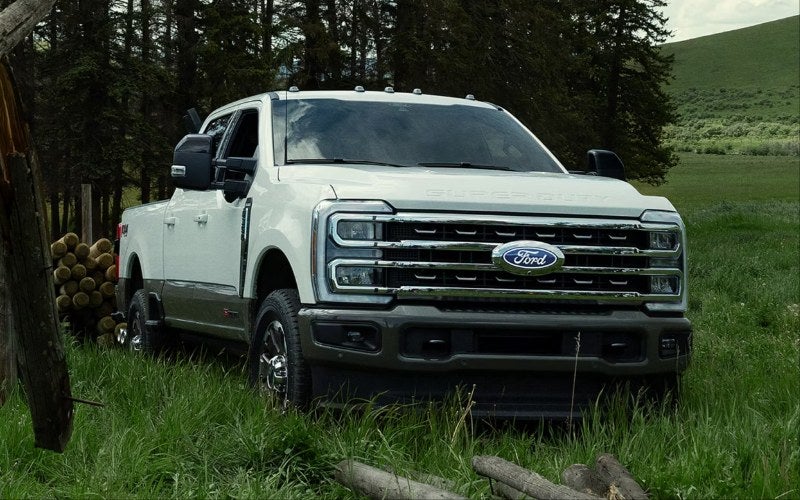
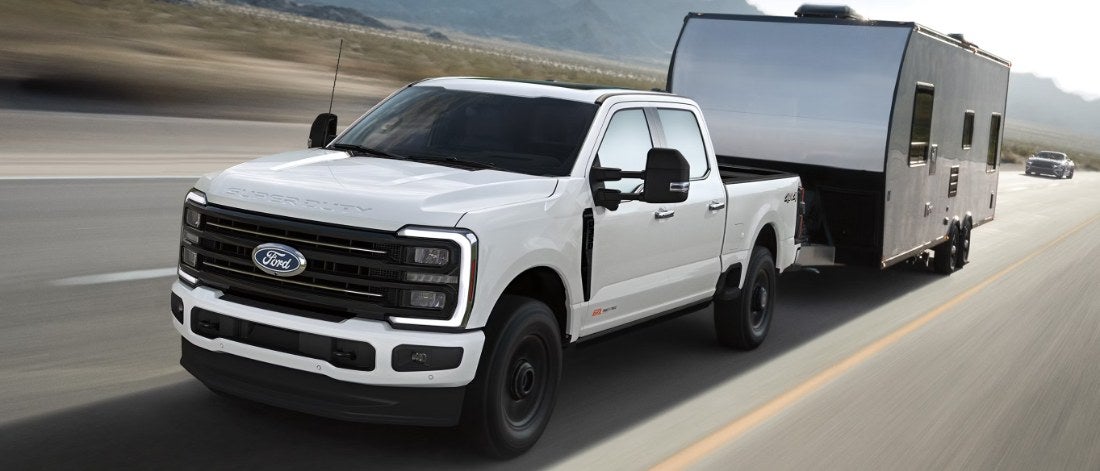
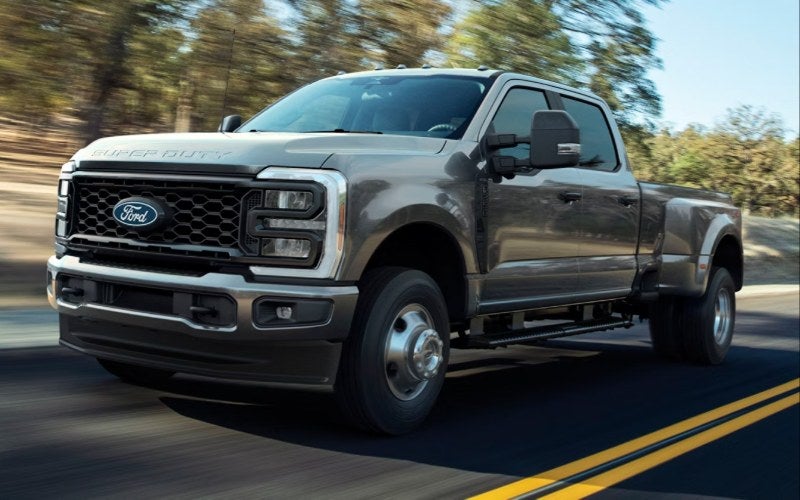
Drivers around York, SC who tow equipment, livestock, building materials, large campers, or business trailers often need more than a light-duty pickup can provide. The 2027 Ford Super Duty® F-350® is built for that level of responsibility, and its gooseneck towing capability is one of the biggest reasons serious truck shoppers put it on the short list. Ford states that the 2027 Super Duty® lineup can tow up to 40,000 lbs with a gooseneck setup when properly equipped, giving the F-350® the kind of muscle needed for demanding work and travel needs.

That number is impressive, but smart towing decisions require more than looking at a maximum rating. The right F-350® configuration depends on engine, cab style, bed length, drivetrain, axle ratio, Gross Combined Weight Rating, payload capacity, hitch setup, and any towing-related equipment. Around York, where drivers may move between rural roads, job sites, farms, lake-area routes, and highways connecting to Rock Hill, Clover, and Charlotte, stability and control matter as much as raw pulling power.

What Makes the F-350® a Strong Gooseneck Towing Truck?

The 2027 Ford Super Duty® F-350® is purpose-built for heavy work. Ford gives shoppers two engine paths: the standard 7.3L 2V DEVCT NA PFI V8 Gas engine and the available 6.7L High-Output Power Stroke® V8 Turbo Diesel B20 engine. The gas V8 produces 420 horsepower and 445 lb-ft of torque, which makes it a capable choice for many towing and hauling needs. The available diesel engine produces 500 horsepower and 1,200 lb-ft of torque, giving it the low-rpm pulling strength that many gooseneck owners want when launching a heavy trailer or climbing grades.

For maximum gooseneck towing, the available 6.7L High-Output Power Stroke® V8 Turbo Diesel B20 engine is the key powertrain. Ford lists the 2027 Super Duty® maximum available towing by hitch type at up to 40,000 lbs for gooseneck towing, up to 35,000 lbs for 5th wheel towing, and up to 30,000 lbs for conventional towing when properly equipped. Those ratings make it important to match the truck to the trailer rather than assuming every F-350® has the same rating.

Configuration Matters More Than Shoppers Expect

Two F-350® trucks can look similar on the outside and still have different towing ratings. Cab size, bed length, drivetrain, axle ratio, wheel configuration, engine choice, and equipment packages all affect the final number. A Crew Cab with four-wheel drive and premium options may have a different payload rating than a Regular Cab work configuration. That is why payload is such an important part of gooseneck towing. The trailer’s pin weight counts against the truck’s payload, along with passengers, tools, auxiliary fuel tanks, cargo, and accessories.

Ford states that the 2027 Super Duty® lineup offers up to 7,900 lbs of maximum available gas payload and up to 6,935 lbs of maximum available diesel payload when properly equipped. For gooseneck towing, payload can be the limiting factor before the tow rating is reached. Shoppers should calculate real-world trailer weight, loaded cargo, and pin weight before choosing a configuration.

  • Trailer weight: Consider the fully loaded trailer, not just empty trailer weight.
  • Pin weight: Gooseneck trailers place substantial weight in the truck bed, which affects payload.
  • Passenger and cargo load: People, tools, gear, and accessories reduce remaining payload capacity.
  • Truck configuration: Engine, cab, bed, drivetrain, and rear wheel setup influence final towing ratings.
  • Hitch and towing equipment: Proper gooseneck hardware and towing packages are essential for safe operation.

For many in-market shoppers, this is where expert guidance becomes valuable. A driver hauling compact equipment around York may need a different F-350® than a driver towing a large horse trailer or a full-size fifth-wheel style living quarters trailer. The goal is not just to buy the highest-rated truck. The goal is to buy the right truck for the load.

SRW vs DRW for Gooseneck Towing

One of the most important decisions for gooseneck towing is choosing between single rear wheel and dual rear wheel. SRW models have one wheel on each side of the rear axle. This setup is easier to maneuver, fits better in many parking areas, and can be a practical choice for drivers who tow moderately but still use the truck for daily errands, school routes, local business calls, and general transportation.

DRW models have two wheels on each side of the rear axle. That wider rear footprint improves stability, weight distribution, and capability for heavy-duty towing and hauling. For frequent gooseneck towing, especially with tall or heavy trailers, DRW can provide a more planted feel. Around York, where a towing route may include two-lane roads, farm entrances, or long highway stretches, that added stability can make a meaningful difference.

Technology That Helps With Heavy Trailers

The F-350® is not just about engine output. Ford also equips the Super Duty® lineup with technology designed to make towing easier to manage. Available trailer reverse guidance can assist while backing a trailer, while the available 360-Degree Camera provides a bird’s-eye view around the truck to help with parking, positioning, and tight maneuvering. Available PowerScope® trailer tow mirrors improve rearward visibility, and available LED sideview-mirror spotlights can help illuminate the sides of the truck when working around a trailer.

Tow/Haul mode is another key piece of the towing experience. Ford describes Tow/Haul mode as a drive setting that modifies transmission shift points, helps reduce gear hunting, and supports stronger engine braking on descents. With a heavy gooseneck trailer attached, smoother gear management can help the truck feel more controlled and less strained. The TorqShift® 10-speed automatic transmission also helps the F-350® stay in a useful gear range, whether accelerating, cruising, or slowing with weight behind it.

Cab and Bed Choices for York-Area Drivers

The 2027 Super Duty® lineup offers Regular Cab with an 8' bed, SuperCab™ with a 6.75' or 8' bed, and Crew Cab with a 6.75' or 8' bed. For gooseneck towing, bed choice can matter because trailer clearance and hitch placement must be considered carefully. An 8' bed is often favored by drivers who tow large gooseneck trailers regularly, while a 6.75' bed can still be appealing for drivers who want easier maneuverability and more flexible daily use.

Crew Cab models are especially attractive for business owners and families who travel with passengers, while Regular Cab models can appeal to drivers who prioritize bed space and work-truck simplicity. SuperCabâ„¢ can provide a middle ground. The best choice depends on how often the truck tows, how many passengers ride along, and how much cargo needs to stay inside the cab.

Frequently Asked Questions:

Can every 2027 Ford Super Duty® F-350® tow 40,000 lbs with a gooseneck?

No. The 40,000-lb figure is the maximum available gooseneck towing capacity for the 2027 Super Duty® lineup when properly equipped. Individual F-350® ratings depend on configuration, including engine, drivetrain, cab, bed, axle ratio, payload, and towing equipment.

Is the diesel engine better for gooseneck towing?

For maximum towing, the available 6.7L High-Output Power Stroke® V8 Turbo Diesel B20 engine is the stronger choice because it delivers 1,200 lb-ft of torque. That torque is especially helpful when moving heavy trailers from a stop and maintaining confidence under load.

Should gooseneck shoppers choose DRW?

DRW is often preferred for frequent heavy gooseneck towing because it provides added rear stability, higher capability, and improved weight distribution. SRW can still make sense for lighter or less frequent towing when daily maneuverability is a priority.

What information should a shopper bring before choosing an F-350® for towing?

Bring trailer type, empty trailer weight, expected loaded weight, estimated pin weight, passenger count, cargo needs, and route expectations. Those details help match the truck configuration to real-world towing demands.

For York-area drivers, the 2027 Ford Super Duty® F-350® can be an outstanding gooseneck towing partner when configured correctly. Its available diesel torque, best-in-class maximum available towing, strong payload ratings, towing technology, and cab and bed flexibility give shoppers the tools to build a truck around real needs. The smartest approach is to start with the trailer, calculate the load, and then choose the F-350® setup that provides the right balance of strength, stability, comfort, and confidence.
Request more 2027 Ford Super Duty F-350 information

Posted in:

Related Posts

2027fordsuperdutyf-350-header-01

How Indian Trail, NC Crews Can Use 2027 Ford Super Duty F-350 Towing Tech

Rock Hill Ford - How Indian Trail, NC Crews Can Use 2027 Ford Super Duty F-350 Towing Tech For Indian Trail, NC drivers who rely on a truck for work, towing confidence is more than a nice feature. It affects how quickly a crew can get moving, how comfortably a driver can manage a trailer, and how prepared a business feels when the day includes equipment, materials, or heavy cargo. The 2027 Ford Super Duty® F-350® brings serious strength to the job, but its real advantage is how that strength is supported by technology. With available towing-focused systems, strong engine choices, smart camera views, and practical features designed for jobsite use, the Super Duty® F-350® is built to help drivers do more than simply pull a trailer. Indian Trail sits in a growing part of Union County where residential development, small business routes, landscaping work, construction needs, and regional commuting often overlap. A truck may need to tow a skid steer one day, carry pallets or tools the next, and still feel manageable in traffic near Monroe Road, US-74, or the Charlotte side of the commute. That is where the 2027 Ford Super Duty® F-350® becomes especially compelling. It offers the muscle expected from a heavy-duty pickup, while available technology helps drivers line up, monitor, reverse, and control a trailer with greater ease. At Rock Hill Ford, we help shoppers look beyond the headline numbers and focus on the complete towing experience. Maximum ratings matter, but the right truck is about configuration, confidence, and support. The 2027 Ford Super Duty® F-350® gives truck buyers multiple ways to build around specific needs, including engine selection, cab style, bed length, trim level, drivetrain, towing equipment, and available driver-assist features. For Indian Trail shoppers comparing heavy-duty trucks, that flexibility can make the difference between buying a powerful truck and buying the right powerful truck. Power Built for Real Towing Jobs The 2027 Ford Super Duty® F-350® starts with a standard 7.3L 2V DEVCT NA PFI V8 Gas engine on F-350® models. This engine produces 420 horsepower at 5,350 rpm and 445 lb-ft of torque at 4,250 rpm, giving drivers a strong gas-powered foundation for heavy work. For shoppers who need maximum pulling strength, the available 6.7L High-Output Power Stroke® V8 Turbo Diesel B20 engine raises capability with 500 horsepower at 2,600 rpm and 1,200 lb-ft of torque at 1,600 rpm. That torque figure is a major reason the Super Duty® F-350® feels so well suited to heavy trailers, demanding payloads, and frequent towing routes. Capability also depends on how effectively power reaches the road. The TorqShift® 10-speed automatic transmission is engineered to support the Super Duty® truck’s strength with smooth gear changes and confident power management. Tow/Haul mode further supports heavy-load driving by modifying transmission shift points, holding gears longer when needed, and enhancing engine braking on descents. For Indian Trail drivers moving between local job sites and regional highways, that kind of control helps the truck feel more composed when loaded. Trailer Technology That Helps Reduce Guesswork Towing can be stressful when visibility is limited or the trailer is difficult to place precisely. Ford addresses that challenge with available technology designed around real truck use. The available 360-Degree Camera can provide a bird’s-eye view around the truck while parking or maneuvering. On King Ranch® models, Trailer Reverse Guidance helps with trailer positioning, which can be valuable when backing into a driveway, jobsite entrance, storage yard, or loading area. 360-Degree Camera: Helps drivers view the area around the truck when maneuvering in tight spaces. PowerScope® Trailer Tow Mirrors: Available mirrors help improve visibility alongside a trailer. Trailer Reverse Guidance: Supports trailer positioning when backing up. Tow/Haul Mode: Optimizes transmission behavior when carrying heavy loads or pulling a trailer. Tire Pressure Monitoring System: Helps drivers monitor tire status for added awareness. These features matter because towing is often about small adjustments. A better view can make it easier to align with a trailer. More mirror coverage can help while changing lanes. Trailer guidance can make backing less intimidating. Tow/Haul mode can help the truck behave more predictably with weight behind it. Together, these features make the Super Duty® F-350® feel like more than a strong truck. It feels like a smarter towing partner. Why the F-350® Fits Indian Trail Work and Life Indian Trail drivers often need a truck that can handle local roads, commercial properties, rural edges of Union County, and quick connections toward Charlotte, Monroe, Waxhaw, or Rock Hill. The 2027 Ford Super Duty® F-350® is well suited for that mix because it combines high capability with everyday usability. Available 4x4 adds traction for job sites, gravel lots, and unpaved access roads, while 4x2 configurations may appeal to drivers focused on road-based work and towing. Bed access is another practical advantage. Ford designed integrated boot-sized box side and rear corner steps into the bed area, making it easier to retrieve tools and cargo. Available Pro Power Onboard™ provides up to 2 kW of power through in-bed outlets, which can support tools and equipment when a traditional power source is not nearby. For contractors, mobile service professionals, event crews, or property owners, that available feature can reduce the need to bring a separate generator for smaller power needs. Choosing the Right Trim for Towing Confidence The Super Duty® F-350® lineup gives shoppers a wide range of choices. XL models focus on work-ready practicality with the standard 7.3L gas V8, TorqShift® 10-speed automatic transmission, available XL Off-Road 35" Tire Package, and available trailer brake controller. XLT adds features such as Auto High-Beam Headlamps, available Remote Start System, and the available Super Duty Carhartt® Package. Lariat® brings more technology with PowerScope® trailer tow mirrors, available Lariat Premium Package, and a 360-Degree Camera. King Ranch® and Platinum® models add more premium appointments while preserving heavy-duty capability. King Ranch® includes Kingsville Antique Affect leather seats, Trailer Reverse Guidance, and head-up display. Platinum® offers features such as available Platinum® Plus Package, power deployable running boards, and a power tailgate with retractable tailgate step. The key is matching the trim to your use case. A work crew may prioritize durability and towing equipment, while an owner-operator may want advanced comfort and technology for longer drives. What to Consider Before You Tow Before selecting a 2027 Ford Super Duty® F-350®, it helps to outline your towing needs in detail. Trailer type, loaded trailer weight, hitch style, terrain, cargo, passengers, and daily driving needs all matter. Ford lists max available towing by hitch type across the Super Duty® lineup, including up to 40,000 lbs for gooseneck towing, up to 35,000 lbs for 5th wheel towing, and up to 30,000 lbs for conventional towing when properly equipped. Exact capability depends on configuration, so a guided comparison is the best way to shop. Identify Trailer Type: Know whether you plan to use gooseneck, 5th wheel, or conventional towing. Estimate Loaded Weight: Include cargo, fluids, tools, and equipment in your trailer weight estimate. Compare Engine Needs: Decide whether the standard gas V8 or available diesel engine better fits your workload. Review Cab and Bed: Choose the passenger space and bed length that support daily use. Ask About Equipment: Confirm towing packages, mirrors, cameras, and brake controller availability. Rock Hill Ford can help Indian Trail shoppers review these factors without guesswork. Our goal is to help you understand how the truck will work in your real routine, not just how it looks on paper. A properly equipped Super Duty® F-350® can be a powerful long-term tool, and the right setup can make towing feel more controlled from day one. Frequently Asked Questions: What is the strongest engine available for the 2027 Ford Super Duty® F-350®? The available 6.7L High-Output Power Stroke® V8 Turbo Diesel B20 engine produces 500 horsepower at 2,600 rpm and 1,200 lb-ft of torque at 1,600 rpm, giving the F-350® exceptional diesel pulling strength. Does the 2027 Ford Super Duty® F-350® offer camera technology for towing? Yes. Available and trim-specific features include the 360-Degree Camera and Trailer Reverse Guidance, both of which can help drivers maneuver and position the truck and trailer with more confidence. Can Rock Hill Ford help compare towing configurations? Yes. We can help you review engine options, cab and bed combinations, hitch types, towing equipment, and trim-level features so your Super Duty® F-350® search is based on your actual towing needs. Why should Indian Trail, NC shoppers consider the Super Duty® F-350®? The F-350® offers serious towing and payload capability, smart trailer technology, available onboard power, and a broad trim lineup that fits work crews, contractors, land owners, and drivers who want a heavy-duty truck with modern comfort. If your truck needs to do more than get from one place to another, the 2027 Ford Super Duty® F-350® is worth a closer look. Its towing technology, powerful engine options, and practical work features make it a strong match for Indian Trail drivers who expect capability, confidence, and useful innovation. Browse inventory online, value your trade, apply for financing, or contact Rock Hill Ford to talk through the configuration that best fits your towing plans. Request more 2027 Ford Super Duty F-350 information

2027fordsuperdutyf-350-exterior-01

Should Waxhaw, NC drivers choose SRW or DRW on a 2027 Ford Super Duty F-350?

Rock Hill Ford - Should Waxhaw, NC drivers choose SRW or DRW on a 2027 Ford Super Duty F-350? Choosing between single rear wheel and dual rear wheel is one of the most important configuration decisions for Waxhaw, NC shoppers considering a 2027 Ford Super Duty® F-350®, because it affects towing confidence, payload capacity, daily maneuverability, parking, tire costs, and how the truck feels on local roads. For many owners around Waxhaw, the right answer depends less on the biggest number in a brochure and more on what the truck will actually do every week. A single rear wheel F-350® can be a strong fit if you need serious capability but still drive through neighborhoods, business lots, school pickup lines, downtown Waxhaw, or along tighter roads near Providence Road and NC-16. A dual rear wheel F-350® makes more sense when your routine includes heavy gooseneck towing, large equipment trailers, high payload demands, or long-distance hauling where added rear stability is a priority. The Core Difference: Stability vs Everyday Maneuverability A single rear wheel, often called SRW, has one wheel on each side of the rear axle. A dual rear wheel, often called DRW or a dually, has two wheels on each side of the rear axle. That extra rear tire contact patch gives a DRW truck more stability under heavy tongue weight or bed load, especially when towing tall or heavy trailers. Ford notes that DRW is ideal for heavy-duty towing and hauling due to greater stability, higher towing and payload capacity, and improved weight distribution. SRW is typically better suited for light to moderate towing and everyday driving because it is easier to maneuver. Around Waxhaw, that matters. If your truck has to fit into a residential driveway, access a jobsite off a narrower road, pull into a grocery store parking space, or navigate around downtown traffic, the slimmer rear width of an SRW F-350® can make daily ownership simpler. At Rock Hill Ford, we like to help shoppers think about where the truck will spend the most time - not just what it can do on its most demanding day. When SRW Makes Sense for a Waxhaw Driver An SRW 2027 Ford Super Duty® F-350® is a smart direction if you need strong truck capability without committing to the additional width and rear tire setup of a dually. It is often the more practical choice for owners who tow on weekends, carry tools during the week, and still use the truck for family errands or commuting toward Ballantyne, Indian Land, Fort Mill, or Rock Hill. SRW can be especially appealing if your trailer needs are substantial but not at the upper end of Super Duty® capability. The 2027 Super Duty® offers impressive towing and payload ratings when properly equipped, with capability depending on configuration, engine, drivetrain, axle ratio, cab, bed, and towing equipment. For shoppers pulling utility trailers, smaller equipment trailers, enclosed work trailers, or recreational trailers, an SRW F-350® may offer the balance of strength and usability that fits real life. Daily parking: SRW is easier to place in standard parking spaces and driveways. Local road comfort: SRW feels less wide on two-lane roads around Waxhaw and Union County. Mixed-use ownership: SRW works well for owners who tow, commute, haul supplies, and run errands in the same truck. Trailer flexibility: SRW can still support serious towing when properly equipped for the trailer and load. Lower rear tire complexity: SRW uses one tire per side at the rear instead of two, which simplifies tire replacement planning. That said, SRW should not be chosen simply because it is easier to live with. If your trailer or payload needs are consistently heavy, or if you are close to the top of your required ratings, DRW deserves a very serious look. When DRW Is the Better Ownership Choice A DRW 2027 Ford Super Duty® F-350® is built for owners who prioritize maximum hauling stability and confidence. This is the setup many shoppers consider when towing large gooseneck trailers, horse trailers, heavy construction equipment, big fifth-wheel campers, landscape trailers with compact machinery, or commercial loads where stability and payload margin are key. Waxhaw has a wide range of truck use cases. Some owners need a capable personal truck for property upkeep, while others operate businesses that travel between Union County, Charlotte-area job sites, York County, and beyond. If your F-350® will regularly tow at highway speeds, merge onto I-485 with a loaded trailer, or carry heavy material in the bed, DRW can provide a steadier feel from the rear axle. The extra rear tires help distribute weight and can improve composure when the truck is properly matched to the trailer. Heavy gooseneck towing: DRW is the stronger choice when trailer weight and pin weight are consistently high. Large fifth-wheel campers: DRW can add stability for tall, heavy RVs on longer trips. Commercial hauling: DRW supports owners who routinely carry equipment, materials, or loaded service bodies. Added rear stability: DRW helps the truck feel more planted with substantial weight over or behind the rear axle. Greater payload potential: DRW configurations are often selected by owners who need more payload capacity. The tradeoff is that a dually is wider at the rear. Before choosing DRW, it is worth thinking through garage space, driveway width, jobsite access, car wash clearance, parking habits, and how often you drive without a trailer. If the truck is primarily a work tool or tow vehicle, those tradeoffs may be easy to accept. If it is also your everyday family vehicle, our team can help you compare both setups side by side. How Engine Choice Fits Into the SRW vs DRW Decision The 2027 Ford Super Duty® F-350® offers the 7.3L 2V DEVCT NA PFI V8 Gas engine and the available 6.7L High-Output Power Stroke® V8 Turbo Diesel B20 engine. The gas engine is rated at 420 horsepower and 445 lb-ft of torque, while the available diesel is rated at 500 horsepower and 1,200 lb-ft of torque. Those numbers matter because torque, gearing, truck configuration, and towing equipment all work together to determine how confidently the truck moves a load. If your towing is occasional and your payload needs are moderate, the gas engine in an SRW F-350® may be a strong fit. If your work involves heavier trailers, frequent long-distance towing, or repeated hill climbs with loaded equipment, the available 6.7L High-Output Power Stroke® V8 Turbo Diesel B20 engine pairs naturally with a capability-focused setup. The engine does not automatically decide SRW or DRW, but it should be considered as part of the full configuration. Technology That Helps With Real Towing Tasks The SRW vs DRW decision is mechanical, but the 2027 Ford Super Duty® F-350® also offers technology that can make ownership easier. Available features like the 360-Degree Camera, trailer reverse guidance, PowerScope® trailer tow mirrors, head-up display, and the 12" center display with SYNC® 4 can help reduce stress when hitching, parking, backing, and monitoring the truck. Ford Co-Pilot360® 2.0 technology also adds helpful driver-assist confidence, and the Tire Pressure Monitoring System is valuable for keeping an eye on an important part of towing safety. For Waxhaw contractors, property owners, and recreational haulers, practical exterior features matter too. Available Pro Power Onboard™ - 2 kW can power equipment through in-bed outlets, and integrated box side and rear corner steps can make bed access easier when loading tools, supplies, feed, hardware, or gear. These details may not decide SRW versus DRW by themselves, but they make the F-350® feel purpose-built for long days and demanding tasks. A Practical Way to Choose at Rock Hill Ford The best way to choose between SRW and DRW is to map your real loads before you select the truck. At Rock Hill Ford, we can walk through your trailer type, expected cargo, passenger count, hitch style, cab preference, bed length, engine choice, 4x2 or available 4x4 needs, and whether an 8' bed or 6.75' bed better fits your routine. The 2027 Super Duty® lineup offers Regular Cab with an 8' bed, SuperCab™ with a 6.75' or 8' bed, and Crew Cab with a 6.75' or 8' bed, so the rear-wheel decision is only one part of building the right truck. If your F-350® will spend most days towing large trailers or carrying heavy payload, DRW is likely the more confidence-focused choice. If you need serious Super Duty® strength but still want easier daily driving around Waxhaw, SRW may be the better all-around fit. Our team at Rock Hill Ford is here to help you compare configurations clearly, without pressure, so your truck fits the work, roads, trailers, and ownership experience you actually have in mind. Frequently Asked Questions: Is a DRW 2027 Ford Super Duty® F-350® always better for towing near Waxhaw, NC? DRW is better for very heavy towing and payload stability, but it is not always the best choice for every owner. If your trailer weight, pin weight, and payload needs do not require the added rear capacity, an SRW F-350® may be easier to live with day to day. Can an SRW F-350® still be a serious work truck? Yes. An SRW 2027 Ford Super Duty® F-350® can be an excellent work truck when properly configured. The key is matching the truck to your trailer, cargo, passengers, hitch setup, and driving habits. Why would a Waxhaw shopper choose DRW if it is wider? A shopper may choose DRW for greater rear stability, higher payload potential, and added confidence with heavy gooseneck, fifth-wheel, commercial, or equipment trailers. For owners who tow or haul heavy loads often, the added width can be a worthwhile tradeoff. Can Rock Hill Ford help compare SRW and DRW configurations? Yes. We can help Waxhaw-area shoppers review Super Duty® F-350® cab, bed, engine, drivetrain, towing, and payload considerations so the final configuration matches the way the truck will be used. Request more 2027 Ford Super Duty F-350 information

2027fordsuperdutyf-350-exterior-02

Which Heavy-Duty Truck Tows Better for Fort Mill, SC Drivers - 2027 Ford Super Duty F-350 or 2027 Ram 3500?

Rock Hill Ford - Which Heavy-Duty Truck Tows Better for Fort Mill, SC Drivers - 2027 Ford Super Duty F-350 or 2027 Ram 3500? When shoppers compare the 2027 Ford Super Duty® F-350® and the 2027 Ram 3500, the most common question is simple: which truck tows better in the real world? The answer depends on configuration, trailer type, payload, hitch setup, and how the truck will be used, but Ford makes a powerful case for buyers who want maximum confidence. The Super Duty® lineup is engineered around serious work, and the F-350® can be properly equipped for a best-in-class maximum available gooseneck towing capacity of 40,000 lbs. That is a major advantage over the Ram 3500, which lists a maximum available High-Output diesel towing capacity of 36,610 lbs. Both figures are impressive, but for drivers who regularly tow heavy equipment, large enclosed trailers, farm loads, or substantial fifth-wheel campers, the added Ford capacity can provide meaningful peace of mind. For Fort Mill, SC drivers, towing needs often include more than one kind of route. A heavy-duty truck may need to move through neighborhood streets, merge onto I-77, handle business travel toward Charlotte, or reach job sites across York and Lancaster counties. In those conditions, capability is not only about the highest number. It is also about how the engine, transmission, camera systems, mirrors, braking behavior, and driver-assist technology work together. The Ford Super Duty® F-350® stands out because its best-in-class ratings are supported by an available 6.7L High-Output Power Stroke® V8 Turbo Diesel B20 engine, a TorqShift® 10-speed automatic transmission, available trailer technology, and smart visibility features designed for large-trailer confidence. Why Maximum Towing Capacity Matters A higher maximum towing rating does not automatically mean every driver needs the highest-capacity configuration, but it does show the strength of the platform. Ford’s maximum available 40,000-lb gooseneck towing capacity gives the Super Duty® F-350® a higher ceiling than the Ram 3500’s maximum available 36,610-lb High-Output diesel towing capacity. That can matter for businesses planning future growth, owners who may upgrade trailers, or drivers who simply want more capability in reserve. Towing near the upper end of a truck’s rating requires careful attention to configuration, gross combined weight rating, payload, axle ratio, drivetrain, cab, bed, hitch type, passengers, accessories, and cargo. Still, starting with the stronger maximum rating gives Ford a clear advantage in this comparison. Ford maximum available gooseneck towing: 40,000 lbs when properly equipped. Ford maximum available fifth-wheel towing: 35,000 lbs when properly equipped. Ford maximum available conventional towing: 30,000 lbs when properly equipped. Ram maximum available High-Output diesel towing: 36,610 lbs when properly equipped. Torque Is a Big Part of the Towing Story Diesel torque is one of the most important measurements in heavy-duty towing because it helps a truck get heavy loads moving and maintain momentum under strain. The available 6.7L High-Output Power Stroke® V8 Turbo Diesel B20 engine in the Ford delivers 500 horsepower and a best-in-class 1,200 lb-ft of torque. The Ram 3500’s available High-Output 6.7L Cummins® Turbo Diesel I6 produces up to 430 horsepower and 1,075 lb-ft of torque. Ram’s Cummins® engine has a strong reputation and commercial-grade appeal, but Ford’s higher available horsepower and torque figures give the F-350® an advantage for shoppers prioritizing heavy towing strength. The Ford TorqShift® 10-speed automatic transmission also plays an important role. With more gears than Ram’s TorqueFlite® Heavy Duty eight-speed automatic transmission, the Ford gearbox is designed to help keep the engine in a useful power range during acceleration, climbing, and steady towing. Tow/Haul mode adds another layer of confidence by modifying transmission shift points and enhancing engine braking on descents. That matters when a driver is managing a loaded trailer on rolling roads, approaching busy intersections, or descending grades with equipment behind the truck. Payload Affects Towing More Than Many Shoppers Realize Payload is closely tied to towing because tongue weight, hitch equipment, tools, passengers, and cargo all count against a truck’s payload rating. This is another area where Ford has a major advantage. The Super Duty® offers a best-in-class maximum available payload of 7,900 lbs when properly equipped. Ram lists a maximum gas payload of 7,590 lbs and a maximum diesel payload of 6,050 lbs. For drivers who carry tools in the bed while towing, transport materials to a worksite, or load the cab with people and gear, Ford’s stronger maximum available payload can make the truck more flexible. This is especially helpful for owners who do not use the truck for one narrow purpose. A Fort Mill-area contractor might tow a trailer in the morning, haul supplies in the afternoon, and use the same truck for personal errands later in the day. A rural property owner might pull a livestock trailer one week and carry fencing materials the next. The F-350® gives shoppers the ability to choose configurations that match those changing demands, including single rear wheel and dual rear wheel setups. Single rear wheel models can offer more everyday maneuverability, while dual rear wheel configurations help support greater stability and higher-capacity towing or hauling. Towing Technology Helps Reduce Stress Modern towing is not just about power. Visibility and control make a major difference, especially when backing into a tight space, lining up a hitch, or maneuvering near traffic. Ford offers available trailer reverse guidance, an available 360-Degree Camera, available digital rear view mirror, available PowerScope® trailer tow mirrors, and available LED sideview-mirror spotlights. These features are designed to help drivers see around the truck and trailer, monitor surroundings, and make more confident decisions when space is limited. Ram also offers useful technology, including Trailer Reverse Steering Control, available Trailer Tire Pressure Monitoring, Digital Rearview Mirror, 360° Surround View Camera, and available power trailer tow mirrors. However, Ford’s towing technology works especially well alongside the truck’s higher capability ratings. The result is a heavy-duty truck that feels prepared for both the big number on the spec sheet and the smaller details that make daily towing easier. How to Choose the Right Heavy-Duty Truck for Your Trailer Before choosing between these trucks, shoppers should look closely at how the truck will be used most often. The right answer may depend on whether the trailer is conventional, fifth-wheel, or gooseneck, as well as how much weight will be carried in the bed or cab. A properly configured Ford Super Duty® F-350® can serve a wide range of needs, from commercial hauling to personal recreation, and it offers some of the strongest capability numbers in the segment. Identify your trailer type and loaded trailer weight. Account for passengers, tools, cargo, and hitch equipment. Decide whether single rear wheel or dual rear wheel capability fits your driving needs. Compare engine output, torque, towing technology, and payload together. Choose a truck that leaves room for future towing or hauling needs. Frequently Asked Questions: Which truck has the higher maximum available towing capacity? The Ford Super Duty® F-350® has the higher maximum available towing capacity, with up to 40,000 lbs of gooseneck towing when properly equipped. The Ram 3500 lists up to 36,610 lbs of maximum available High-Output diesel towing. Which truck offers more available diesel torque? The Ford has the advantage. Its available 6.7L High-Output Power Stroke® V8 Turbo Diesel B20 engine produces 1,200 lb-ft of torque, while the Ram 3500’s available High-Output 6.7L Cummins® Turbo Diesel I6 produces up to 1,075 lb-ft of torque. Is the Ram 3500 still a capable towing truck? Yes. The Ram 3500 is a strong heavy-duty pickup with impressive available diesel power, towing technology, and useful features. Ford simply offers higher maximum available towing, payload, and diesel torque ratings, which gives the Super Duty® F-350® the edge for shoppers prioritizing capability. Why should Fort Mill-area shoppers consider the Ford first? The Ford Super Duty® F-350® is an excellent fit for drivers who need a truck that can handle business routes, job sites, highway towing, and weekend hauling with confidence. Its combination of best-in-class maximum available capability, advanced towing technology, and flexible configurations makes it a smart first choice. For drivers comparing these two heavy-duty pickups with towing at the top of the priority list, the Ford Super Duty® F-350® is the stronger recommendation. Ram brings refinement and respected diesel engineering, but Ford delivers the higher maximum available gooseneck towing rating, stronger available diesel torque, higher maximum available payload, and a truck-focused technology package that supports the driver before, during, and after the tow. If your work or recreation depends on a truck that can handle serious weight with confidence, the F-350® deserves the lead spot on your shopping list. Request more 2027 Ford Super Duty F-350 information